

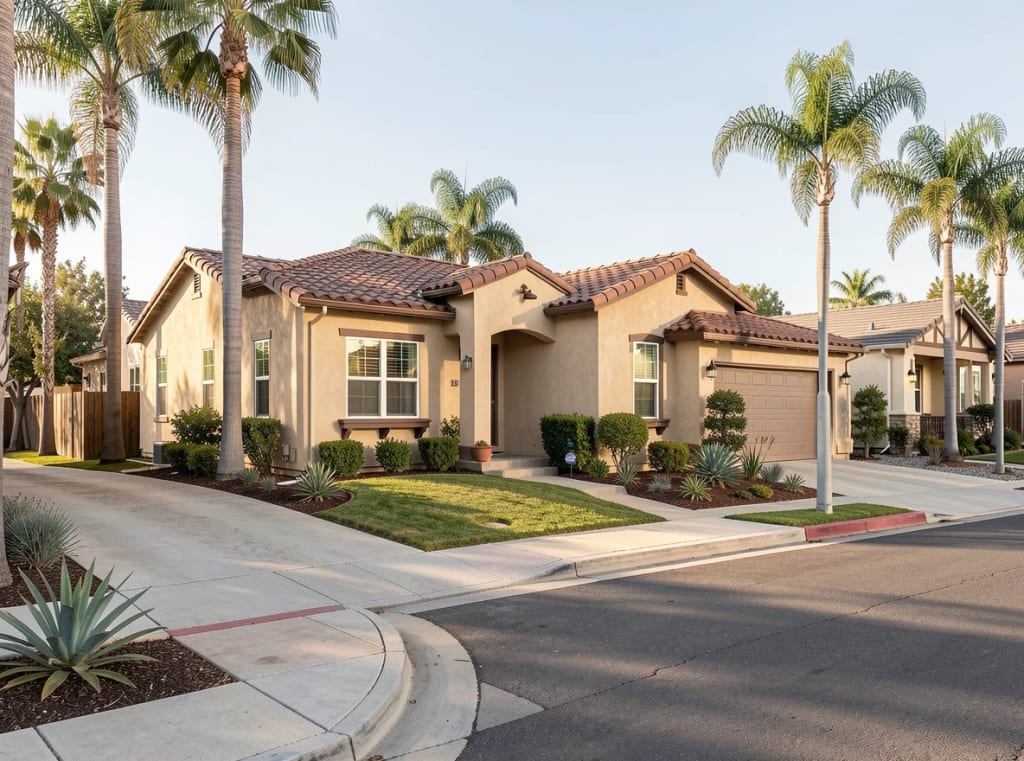
7 Riverside Buying Clues Only a Fourth-Generation Local Notices
7 Riverside Buying Clues Only a Fourth-Generation Local Notices
Some details about a home search never make it into a listing sheet. A square-foot number, renovation date, and lot size can tell part of the story, but Riverside buyers often benefit from noticing the quieter signals that reveal how a property lives day to day. Those signals show up in how blocks connect, how homes sit on their lots, and how public spaces and commercial corridors interact with residential areas.
That is where deep local knowledge can add real value. A fourth-generation perspective is not about gatekeeping information; it is about recognizing patterns built over time and turning them into practical guidance for today’s buyers. In Riverside, those patterns can help you compare one street to another, understand what improvements may matter most over time, and make a more confident decision when the right home appears.
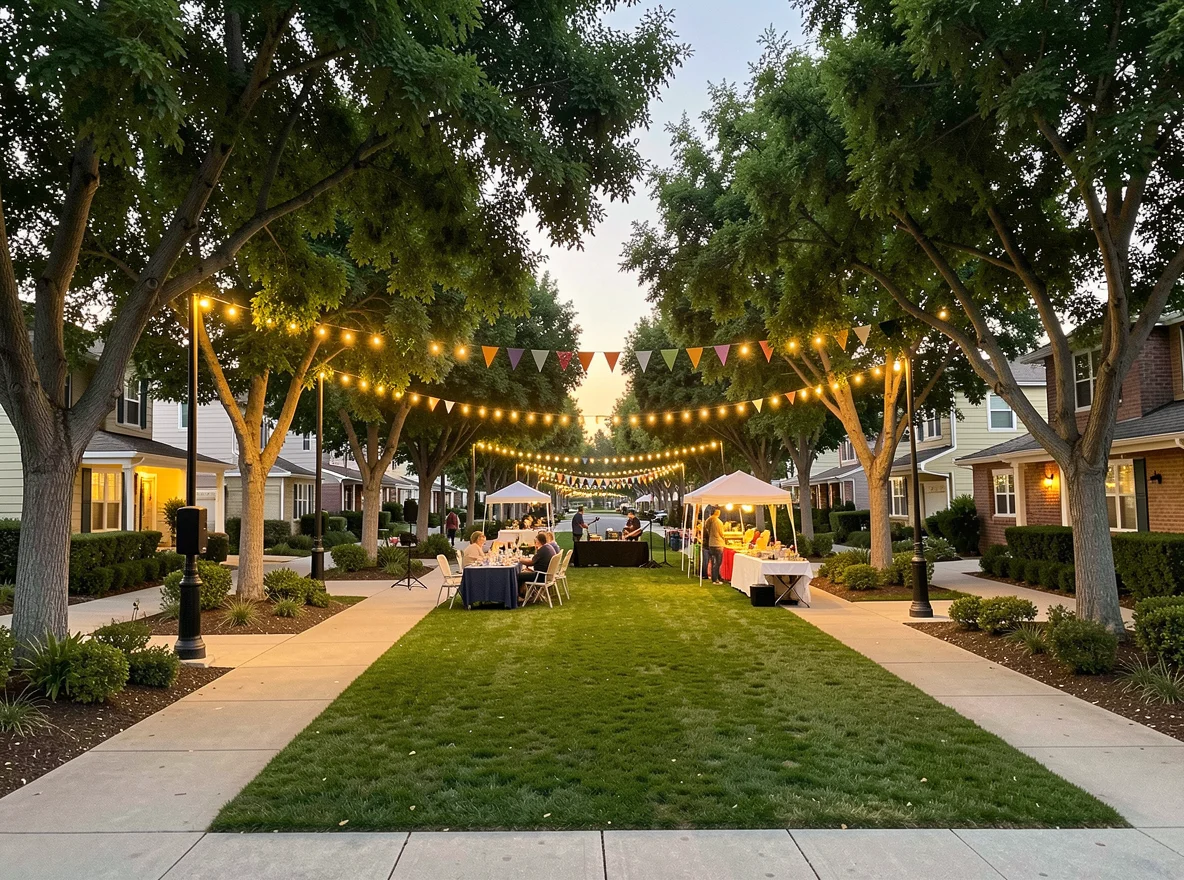
First clue: pay attention to the rhythm of the block, not just the individual house. Longtime locals notice whether nearby homes show consistent upkeep, whether additions feel well integrated, and whether the street has a stable visual pattern. That does not mean every home must match. Instead, it suggests a block where owners have invested steadily, which can influence both daily appeal and long-term resale potential.
Second clue: watch how morning and afternoon traffic actually moves near the property. Riverside offers many attractive pockets with distinct access routes, and a map alone may not reveal how a commute feels at different times of day. A local eye often notices whether a home sits on a convenient connector street, near a busy turn pattern, or close to a calmer residential route that still reaches retail, parks, and major roads efficiently.
Third clue: look for mature landscape and lot orientation working together. In Riverside’s warm climate, shade, tree placement, and the way the home faces the sun can shape comfort and utility costs. Experienced local observers often notice which yards stay usable through more of the year, which patios feel sheltered, and which exterior improvements appear designed for the region rather than copied from somewhere else.
How local patterns can shape a smarter offer
Buying well in Riverside often comes down to context. A home may be beautifully updated, but the smartest offers usually come from buyers who understand the setting around it. For example, proximity to neighborhood parks, established walking routes, community gathering areas, and everyday conveniences can affect how a property functions long after closing. The value is not only in the house itself, but in how easily it connects to the routines of daily life.
Fourth clue: notice the age mix of surrounding homes and remodels. Riverside has areas where original architecture, mid-century influences, and newer updates overlap in interesting ways. A local perspective can help buyers distinguish between improvements that respect the home’s structure and upgrades that may have been done quickly for appearance alone. Rooflines, drainage paths, window quality, and exterior materials often tell a more useful story than fresh paint.
Fifth clue: study the transition points between residential streets and nearby commercial or civic areas. In many parts of Riverside, that transition can be an advantage when it creates easy access to dining, services, schools, libraries, and public spaces. But there is nuance in whether a home feels connected versus exposed. A fourth-generation local tends to notice the difference between a pleasant nearby amenity and a traffic pattern that changes the feel of a block.
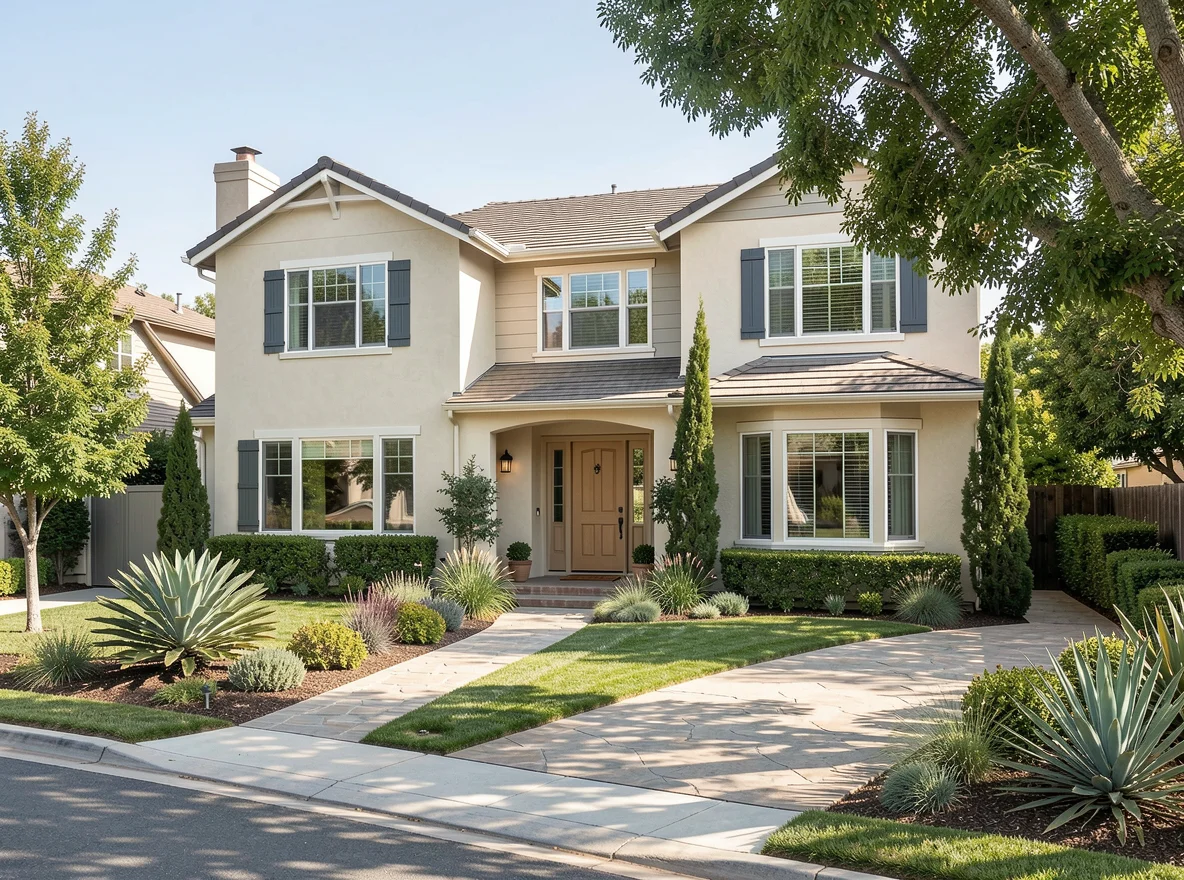
Sixth clue: ask how the property fits Riverside’s outdoor living habits. Covered patios, usable yards, hardscape choices, irrigation, and shaded seating areas can matter as much as an extra interior flex room. Buyers who know the area well often prioritize homes that make everyday outdoor use easier, especially where lot layout, privacy, and sun exposure create a comfortable extension of the interior.
Seventh clue: listen for the intangible signs of continuity. That might be a street with homes held for many years, a pocket where improvements appear thoughtful instead of rushed, or an area where owners seem to maintain properties through changing market cycles. None of these clues guarantees future performance, but they can reveal a level of neighborhood consistency that listing photos alone rarely capture.
Amenities, schools, recreation, and what buyers should evaluate
Riverside offers buyers a broad mix of amenities, from historic areas and established neighborhoods to regional parks, golf courses, trail access, colleges, cultural venues, and varied dining corridors. That variety is one reason local expertise matters so much. Two homes with similar prices can offer very different access to recreation, commuting routes, and everyday errands. Buyers often benefit from exploring the property at multiple times and considering how nearby amenities align with the way they plan to use the home.
School considerations are also part of many purchase decisions, but the right approach is objective and property-centered. Rather than relying on assumptions, buyers should review current school assignment information, commute distance, transportation options, and publicly available performance and program details directly from official sources. A knowledgeable local real estate partner can help organize those facts while keeping the focus on logistics, convenience, and accurate information.
Market conditions in Riverside can also shift quickly by neighborhood, price point, and property type. Some homes attract attention because they combine location, lot usability, and condition in a way that feels hard to replicate. Others may present opportunity because they need strategic updates. Local insight is especially useful here: knowing whether a certain style, street orientation, or micro-location tends to draw consistent buyer interest can help shape both your offer strategy and your renovation expectations.
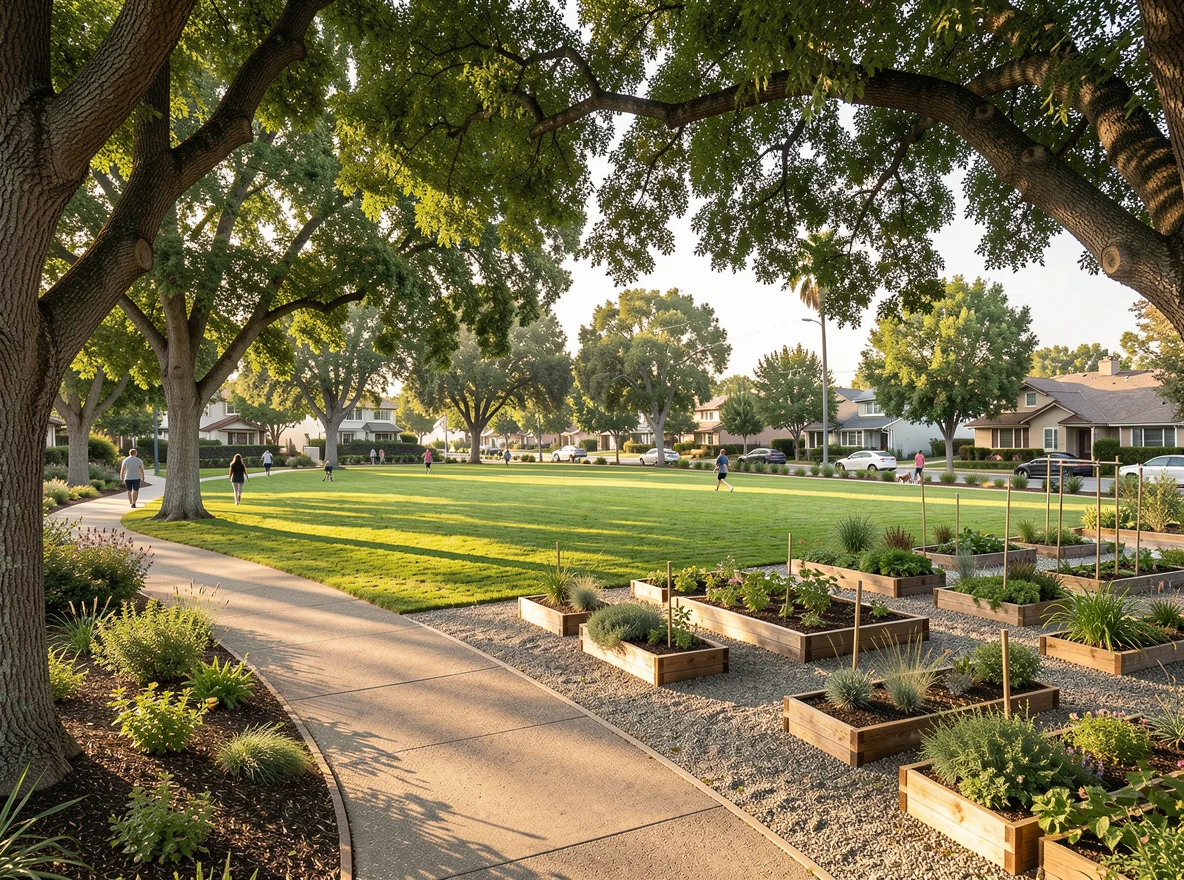
For many buyers, the best outcome is not simply finding the most updated property. It is finding the home that makes sense in its exact setting. That may mean strong shade patterns, practical access to commuter routes, proximity to parks and community amenities, or an older home with architecture and lot dimensions that stand out in a meaningful way. Those are the kinds of distinctions people with deep Riverside roots often recognize quickly.
Tower Agency’s Riverside-local perspective is valuable because it turns those observations into clear, usable guidance. Buyers do not need guesswork or vague enthusiasm; they need help spotting what matters, asking better questions, and comparing homes beyond surface-level marketing. In a market where confidence often comes from context, those seven clues can make the difference between simply buying a house and choosing a property with lasting fit.