

Investor-Minded Ways to Compare Riverside and Norco Homes for Long-Term Flexibility
Investor-Minded Ways to Compare Riverside and Norco Homes for Long-Term Flexibility
When you look at real estate through an investor lens, flexibility matters almost as much as the purchase price. A property that can adapt to changing market conditions, financing goals, or future occupancy plans often provides more room to maneuver over time. In Riverside and Norco, that comparison gets especially interesting because the two areas can offer different housing patterns, lot configurations, and neighborhood rhythms while still being part of the same broader Inland Empire conversation.
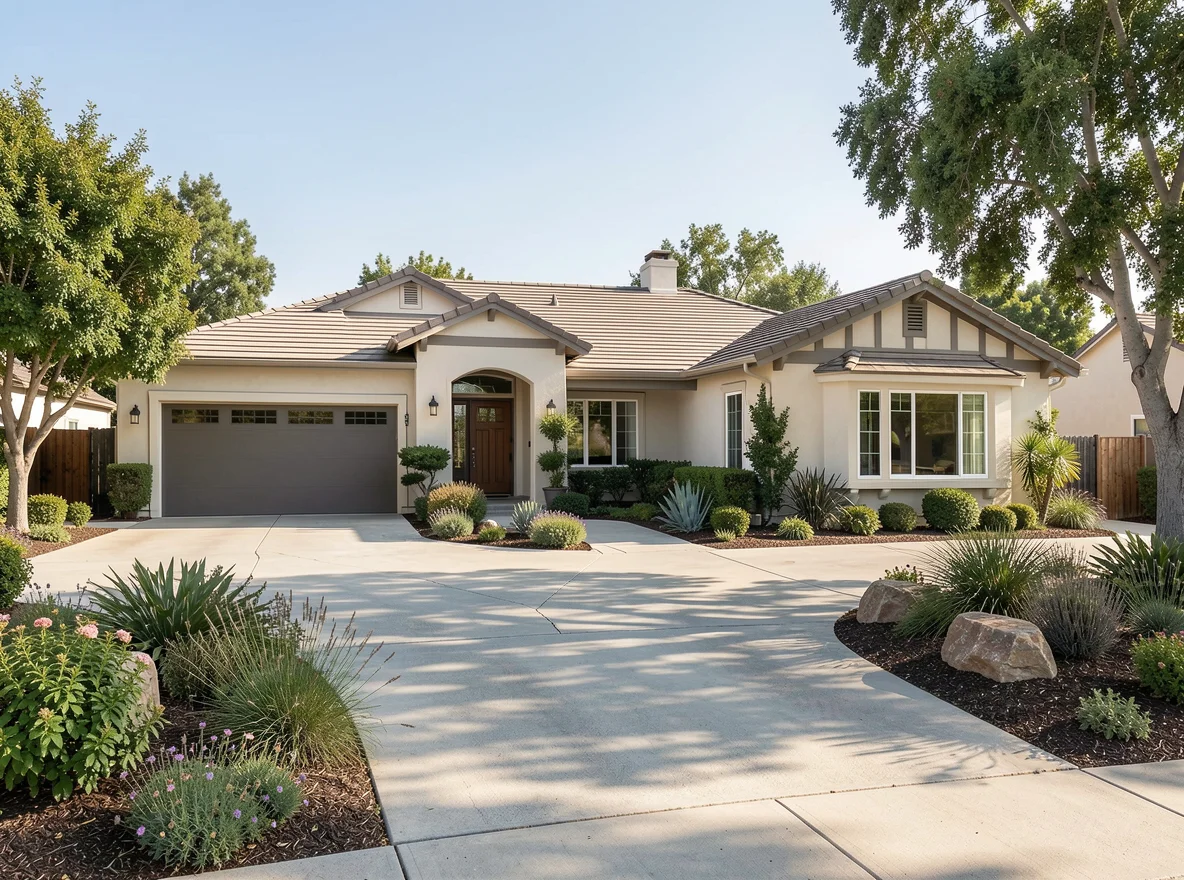
Rather than asking which city is “better,” it helps to compare how each market may support different long-term strategies. Some buyers want a home that works well as a primary residence now and may serve as a rental later. Others are focused on lot utility, renovation upside, storage options, or the possibility of future value through careful improvements. A clear side-by-side review of inventory, location access, maintenance demands, and resale appeal can make the decision more grounded.
Riverside often presents a broader mix of housing types, from established neighborhoods with classic architecture to newer communities with contemporary layouts. That variety can be useful for buyers who want multiple price points and property formats to analyze. Condos, smaller single-family homes, and larger residences may all appear within a relatively wide range of submarkets, which can help investors compare purchase costs against projected holding expenses, renovation budgets, and future demand from a broad pool of home buyers or tenants.
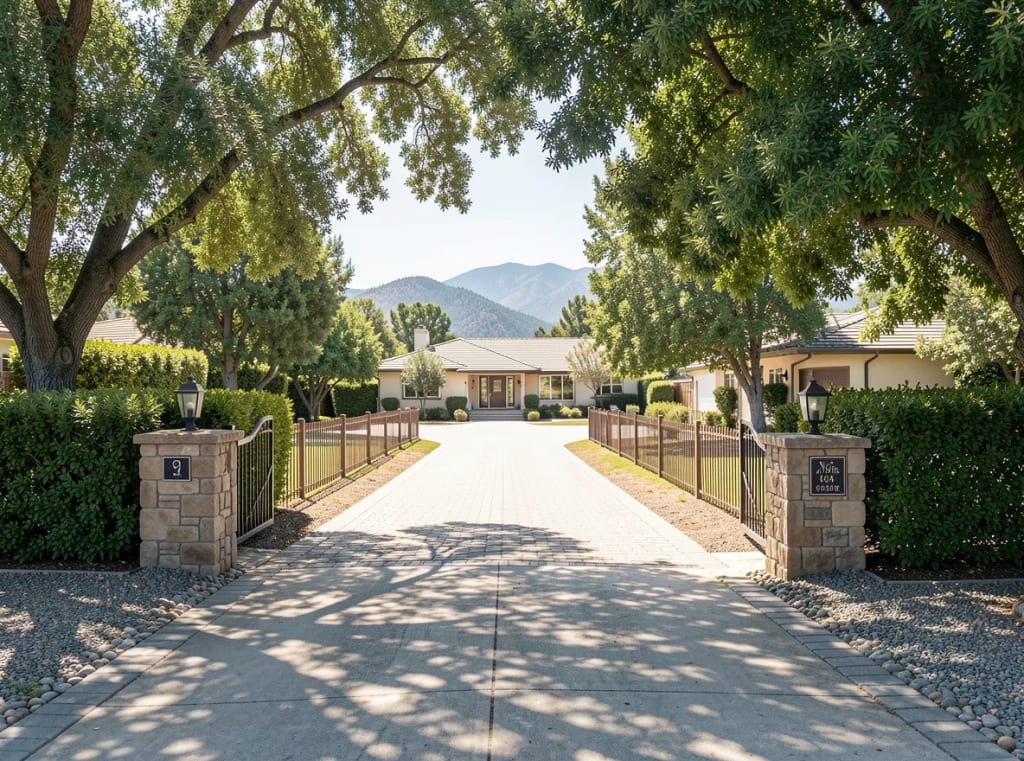
Norco, by contrast, is often evaluated for its larger parcels, more open feel, and property setups that may allow for uses not commonly found in more compact suburban neighborhoods. For an investor-minded buyer, that can translate into a different kind of flexibility: more outdoor space, expanded parking potential, room for detached structures where permitted, or simply a property profile that stands apart in the resale market. With any larger lot, though, it is important to weigh added upkeep, utility costs, insurance considerations, and the actual value of the extra land to your long-term plan.
Look Beyond Price Per Square Foot
One of the most common mistakes in comparing two markets is leaning too heavily on price per square foot. It is a useful reference point, but it rarely tells the full story. In Riverside, a home near major commuter routes, universities, medical centers, or established commercial corridors may hold appeal because of convenience and everyday accessibility. In Norco, square footage may be only part of the equation if lot size, parking functionality, or outdoor improvements are central to the property’s value.
A stronger approach is to study the full ownership equation. Review property taxes, age of major systems, roof condition, HVAC efficiency, and likely near-term capital expenditures. Pay attention to whether the floor plan can support multiple future uses, such as a home office, guest suite, or adaptable bonus space. In both cities, a well-located property with a practical layout can outperform a larger but less functional home when it comes to long-term flexibility.

Transportation patterns also deserve close attention. A property’s relationship to freeways, employment hubs, and routine errands can influence both resale and rental performance. Riverside may offer more options for buyers who prioritize proximity to higher-traffic amenities, education centers, and regional connections. Norco may appeal to those who place greater value on space, separation between homes, and a distinct property identity. Neither factor is automatically superior; each works differently depending on your exit strategy and expected hold period.
Local amenities matter too, but they should be viewed objectively. Parks, trails, dining clusters, retail access, and community gathering spaces contribute to everyday livability and can support demand over time. Riverside’s larger footprint often means more varied amenities across neighborhoods, while Norco’s character may appeal to buyers seeking a more open setting with a strong sense of place. The key is to measure how those features align with your likely future buyer or renter pool, not with assumptions.
Evaluate Flexibility Through Use, Maintenance, and Resale
Long-term flexibility usually comes from a combination of practical design and manageable ownership. A house with an intuitive layout, good storage, solid natural light, and straightforward maintenance can be easier to lease, easier to sell, and easier to hold during changing market cycles. In Riverside, many buyers focus on homes that balance lot size with efficient upkeep. In Norco, the analysis may lean more heavily toward land utility and whether the property’s features justify ongoing maintenance demands.
School access is another factor many buyers research, but it is best considered through publicly available boundaries, district information, commute logistics, and individual property location rather than broad assumptions. Nearby recreation, trail networks, and local services can also support marketability. These details do not guarantee appreciation, yet they can influence how smoothly a home competes when inventory shifts and buyers become more selective.
It also helps to think in scenarios. If interest rates change, would the home still attract buyers in its price band? If you needed to keep it as a rental for several years, would the condition, layout, and location make that realistic? If you planned modest upgrades, would the surrounding comparables support the investment? Asking these questions in advance can reveal whether a home offers genuine strategic flexibility or simply looks appealing in the moment.

For many investor-minded buyers, the most resilient properties are not always the most dramatic. They are often the homes with durable finishes, a useful floor plan, enough outdoor space to feel functional, and a location that stays relevant in multiple market conditions. Features like updated kitchens, efficient windows, modernized baths, and well-maintained exteriors can lower future friction and improve appeal without depending on passing design trends.
Working with local professionals can sharpen this comparison considerably. Tower Agency’s Riverside-rooted perspective can help buyers sort through neighborhood-level differences, identify practical tradeoffs, and focus on homes that match both present needs and future options. That kind of local context is valuable when comparing two nearby markets that can feel similar on paper but perform differently in day-to-day ownership.
A Smarter Comparison Starts With Your Exit Strategy
The best Riverside-versus-Norco decision often comes down to clarity: what do you want the property to do for you over the next five, seven, or ten years? If you define your likely holding period, improvement budget, financing comfort zone, and backup plan, the comparison becomes much easier. Riverside may stand out for variety, convenience, and broad market participation, while Norco may stand out for land profile, distinct property features, and a different kind of long-range utility. Either way, the strongest move is choosing the home that gives you the most options when the market changes.