
Norco Horse Property Basics: 6 Things to Check Before You Buy
Norco Horse Property Basics: 6 Things to Check Before You Buy
Buying horse property in Norco involves more than counting bedrooms or measuring lot size. This city has a distinct equestrian identity, and that makes due diligence especially important for buyers who want a property that works well both as a home and as a long-term investment. A parcel can look perfect at first glance, yet details like zoning, trailer access, drainage, and stable layout can make a major difference once you move in.
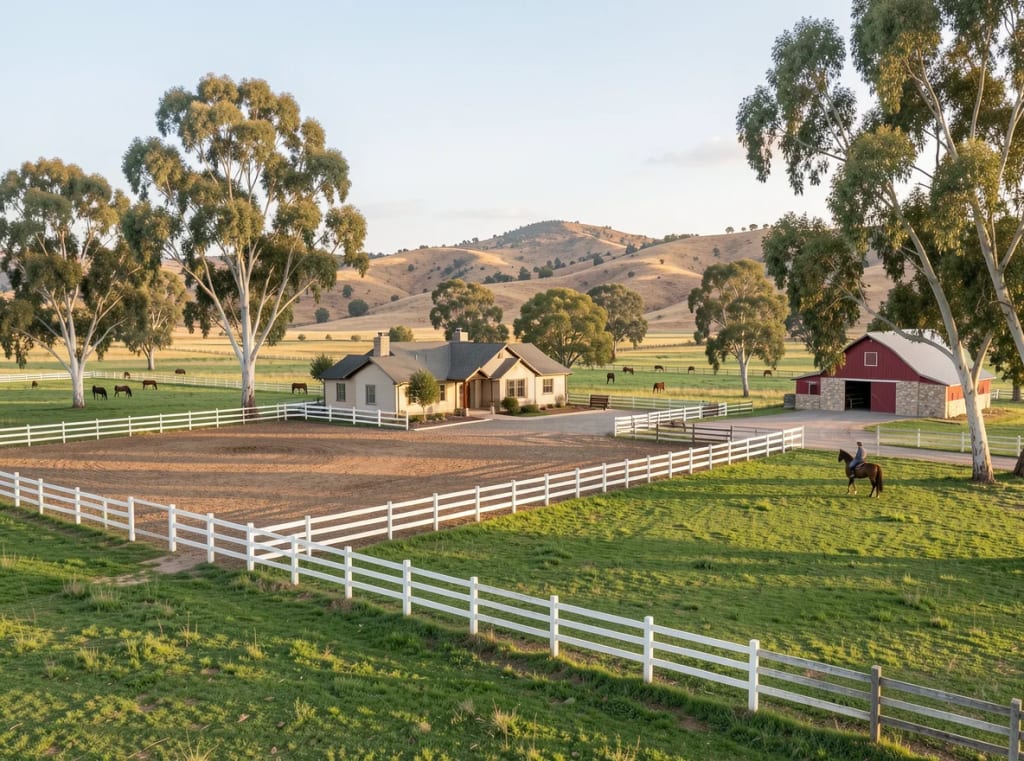
With its horse trails, larger lots, and Western character, Norco attracts buyers looking for a property that supports riding, boarding, or simply more outdoor flexibility. That said, no two horse properties function the same way. Some are set up for daily riding and equipment storage, while others may offer the right land area but need significant upgrades before they can comfortably support equestrian use. Taking a practical, property-by-property approach is the best way to avoid surprises.
Whether you are purchasing your first horse property or adding to a portfolio, it helps to focus on six essentials before making an offer. These checkpoints can help you evaluate usability, future costs, and resale appeal in a market where local knowledge matters.
1. Verify zoning, permits, and allowed uses
The first step is confirming exactly what the property allows. In a horse-oriented city, buyers sometimes assume every large lot automatically supports the same equestrian uses, but that is not always the case. Check local zoning, animal-keeping rules, and any permit history for barns, arenas, tack rooms, workshops, covered pens, and accessory structures. If a seller added improvements over time, it is worth verifying that those features were properly approved.
This review also helps you think ahead. If you plan to add fencing, a round pen, additional stalls, trailer parking, or storage buildings, you want to know early whether the lot configuration and local requirements support those changes. A well-located property becomes far more valuable when its permitted uses line up with your goals from day one.
2. Study the lot layout, access, and daily functionality
Horse property is all about flow. A parcel might have generous square footage, but the arrangement of structures and open space determines how useful it really is. Look at driveway width, gate placement, turnaround space, and access for trucks, trailers, feed delivery, or maintenance vehicles. If maneuvering is tight, routine tasks can become frustrating fast.
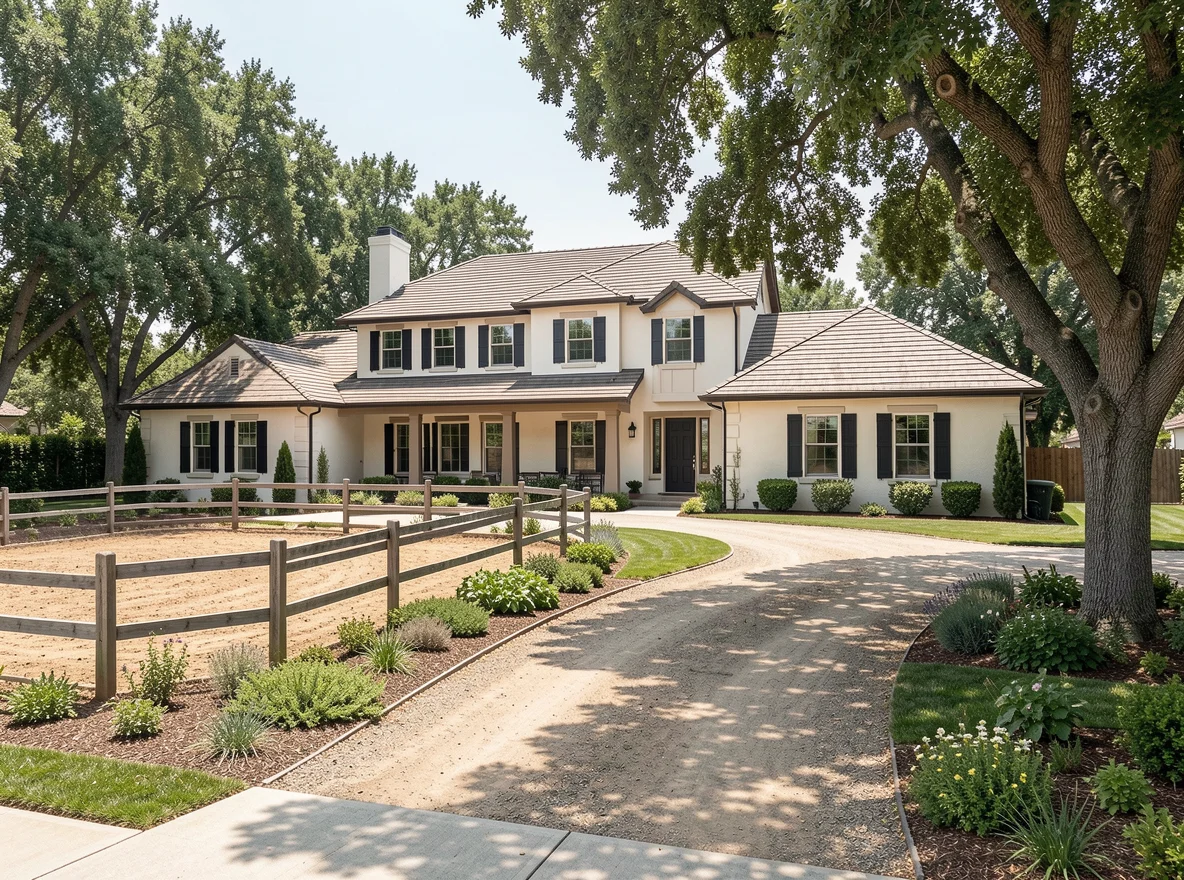
Also consider how the home sits on the lot relative to barns, paddocks, and open riding areas. Separation between living space and equestrian space can improve convenience and maintenance. Flat, usable land often carries more practical value than raw acreage that is awkwardly shaped or heavily occupied by nonessential structures.
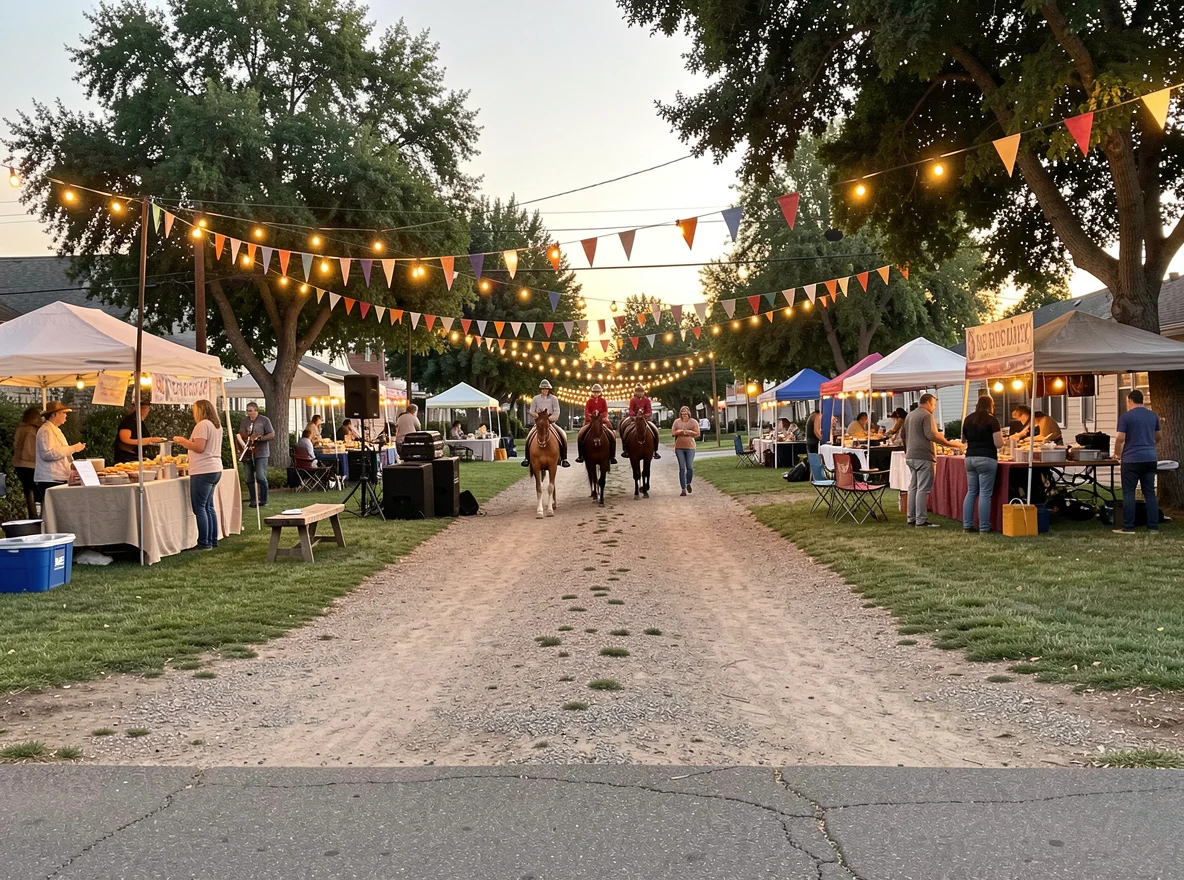
Another smart check is proximity to trail access and key community amenities. Norco is known for its horse-friendly atmosphere, and buyers often place a premium on properties that connect easily to local riding routes, feed suppliers, equestrian services, parks, and commuter corridors. Those location features can shape both lifestyle and future demand.
3. Inspect barns, fencing, and horse-specific improvements
Not every horse setup is created to the same standard. Stalls should be evaluated for condition, ventilation, spacing, shade, footing, and overall maintenance. Fencing matters too; buyers should note material type, durability, height, visibility, and whether enclosures appear secure and well aligned. Deferred maintenance on these elements can add up quickly after closing.
Take time to inspect tack rooms, wash racks, turnouts, pens, and any riding surfaces on site. Even if everything appears usable, ask what has been updated recently and what may need replacement soon. A property with established equestrian infrastructure can save time and money, but only if those improvements are actually serviceable.
For buyers comparing multiple properties, this is often where value becomes clearer. One home may have a more polished kitchen, while another offers a much stronger barn layout and better turnout configuration. In horse property purchases, those differences can matter just as much as interior finishes.
4. Check drainage, footing, and seasonal maintenance needs
Drainage is easy to overlook during a quick showing, especially in dry weather. Yet grading, runoff patterns, and low spots can affect paddocks, arenas, stall areas, and access roads. Poor drainage can create muddy conditions, faster wear on surfaces, and higher maintenance costs. Walk the lot carefully and look for signs of erosion, pooling, patched areas, or uneven terrain.
Surface quality matters beyond appearance. Riding areas, turnout spaces, and paths used by animals or equipment should be assessed for stability and upkeep. If the property includes decomposed granite, sand, or other specialized footing, ask about installation, maintenance routines, and replacement expectations. A solid setup can support daily use with less effort and expense.
5. Understand utilities, water, and operating costs
Horse properties typically have more intensive utility demands than a standard suburban home. Water access is especially important for animals, wash areas, cleaning, irrigation, and dust control. Buyers should review utility configurations, water delivery points, drainage systems, septic or sewer details where applicable, and the capacity of electrical systems for lighting, fans, pumps, or workshop equipment.
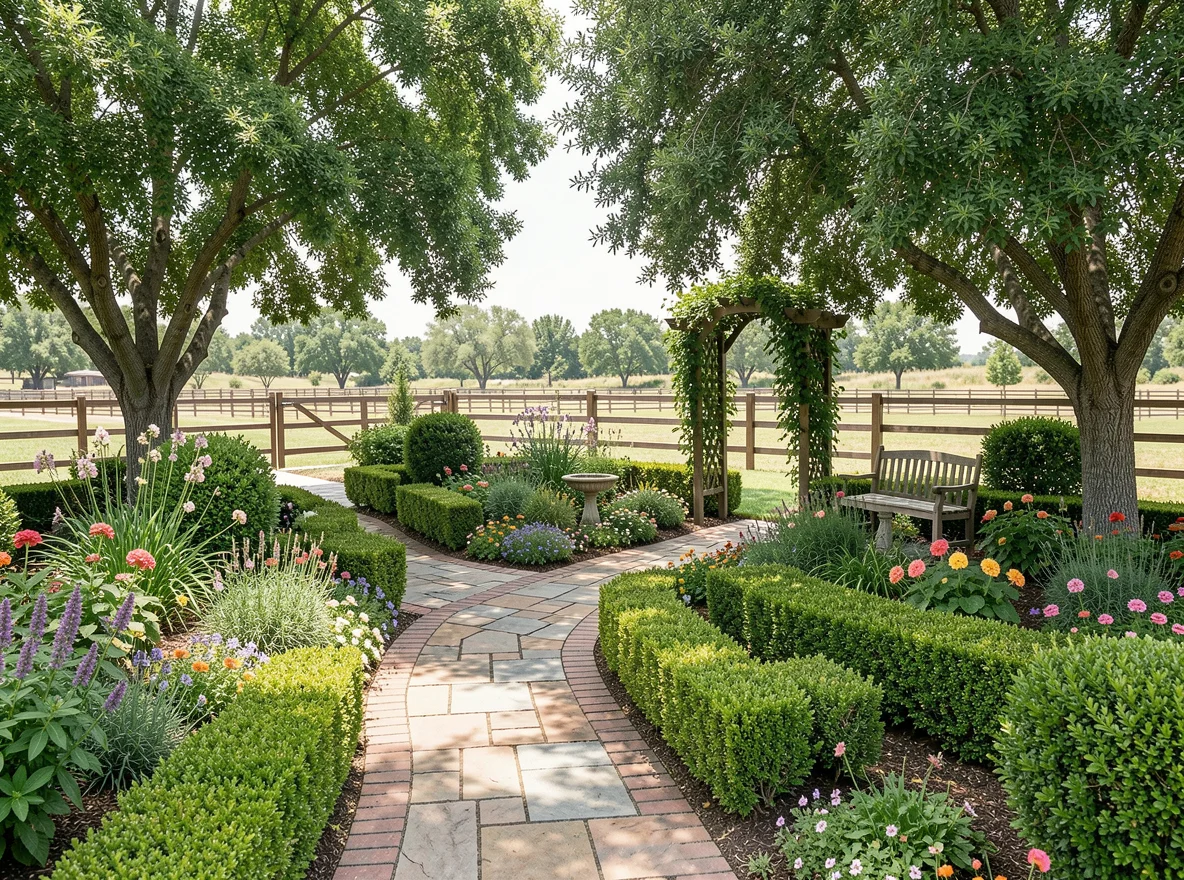
Ask for recent utility bills if possible and factor in ongoing costs for feed storage areas, waste removal, footing maintenance, fencing repairs, and landscape care. A property may fit your purchase budget but still require a higher monthly operating plan than expected. Clear numbers help you compare options with confidence.
This is also where experienced local guidance can be especially useful. Buyers working with a Riverside-area real estate team often benefit from neighborhood-level context, practical property comparisons, and a better understanding of what is typical in the local market.
6. Evaluate resale potential as carefully as current fit
Even if you plan to stay for years, resale value should remain part of the decision. Look at the overall presentation of the home, the condition of major systems, and how broadly appealing the property may be to future buyers seeking equestrian features. Clean access, flexible open space, well-maintained improvements, and a functional home layout usually support stronger marketability.
It is also wise to consider the balance between specialized features and general usability. A property can be highly tailored for horse use while still offering a comfortable, attractive residential environment. That combination often helps when market conditions shift and buyers compare homes based on both lifestyle utility and investment outlook.
Norco offers a rare real estate niche with character, land, and a strong equestrian identity, but success starts with careful evaluation. By checking zoning, layout, horse facilities, drainage, utilities, and resale fundamentals, buyers can move forward with a clearer picture of what they are purchasing. With local insight and a close look at the details that matter most, you can find a property that supports your goals today and holds value well into the future.