What to Know Before Buying Equestrian Property in Riverside County
What to Know Before Buying Equestrian Property in Riverside County
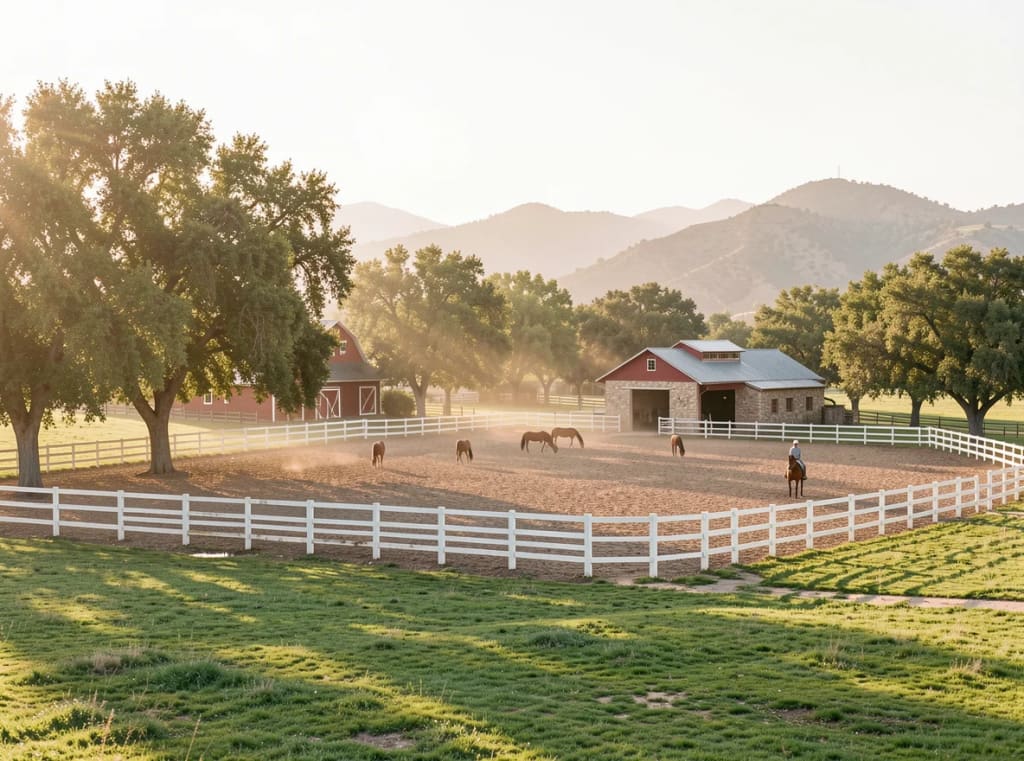
Buying equestrian property involves more than finding a house with extra land. In Riverside County, the right purchase often depends on how the parcel functions day to day: footing, drainage, trailer access, zoning, water, shade, and the practical distance between the barn and the places you expect to ride. A property can look ideal in listing photos and still require meaningful upgrades before it works smoothly for horses, equipment, and regular care routines.
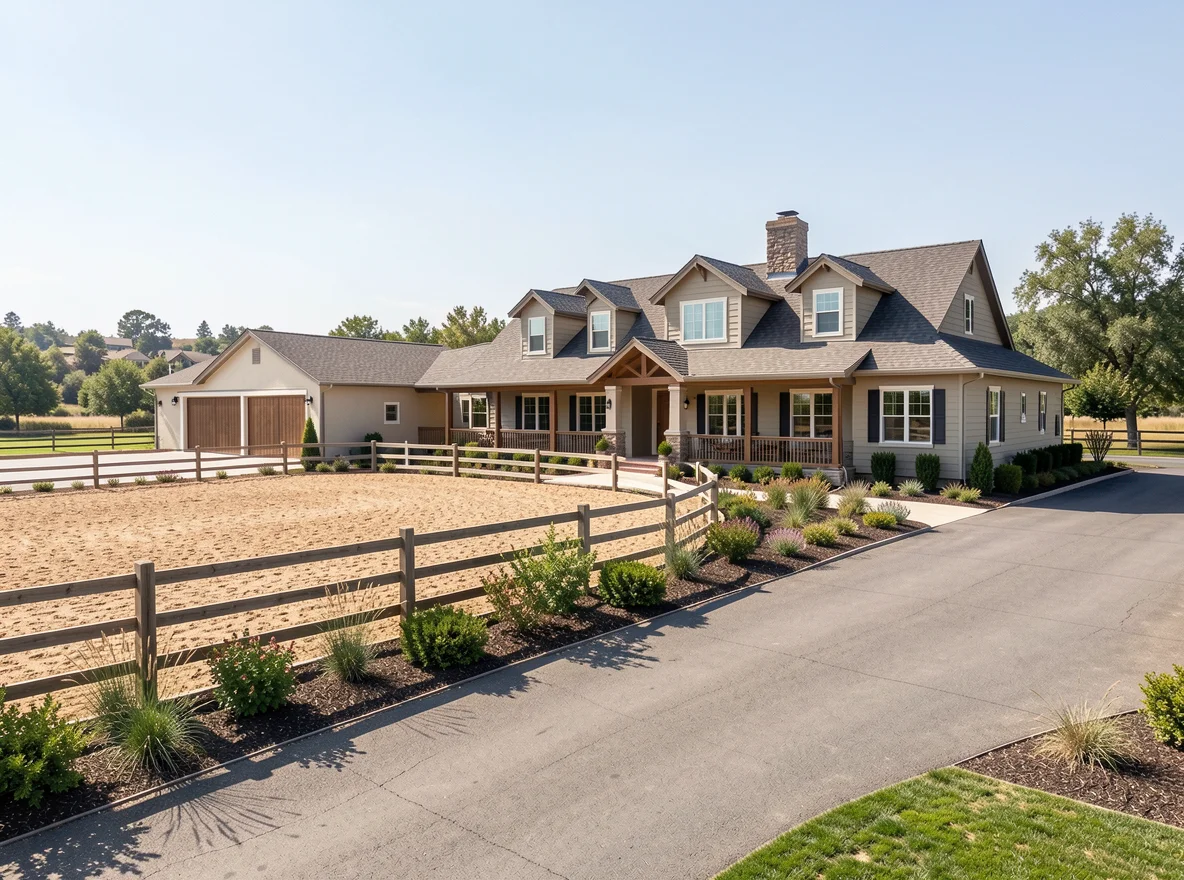
Across the county, equestrian properties can vary widely in layout and setting. Some parcels are designed around boarding, training, or regular hauling, while others are better suited to private use with a few stalls and turnout areas. That distinction matters because the improvements that support commercial-style activity are different from those needed for quiet daily riding, storage, and straightforward maintenance. A buyer who starts with a clear use case usually makes better decisions on acreage, infrastructure, and budget.
One of the first items to confirm is zoning and permitted use. Riverside County includes areas with different standards for animals, structures, and land use, so it is important to verify what is legally allowed rather than relying on past use alone. Ask whether the existing number of stalls is permitted, whether arenas or covered structures were properly approved, and whether there are restrictions on boarding, lighting, manure storage, or trailer parking. If future plans include building a larger barn, adding an arena, or reconfiguring paddocks, those goals should be checked early with local authorities and professionals.
Land quality also deserves a close, in-person review. Flat usable acreage can be very different from total acreage shown on paper, especially when slope, wash areas, or oddly shaped portions of the parcel limit how the site performs. Buyers should look carefully at fencing condition, gate width, circulation paths for trucks and trailers, and whether the horses can move safely between stalls, turnout, wash racks, and riding space. Soil and drainage matter too. A beautiful arena is only as useful as its footing, and poorly drained areas can become expensive problem spots after storms or irrigation issues.
Utilities, Water, and Daily Functionality
Water is one of the most important considerations on any horse property in Southern California. Buyers should identify the source, capacity, and cost structure as early as possible. Is the property on municipal service, a private well, or a combination of systems? If there is a well, review production information, equipment age, storage capacity, and any available maintenance records. Irrigation for arenas, turnout areas, or landscaping can affect monthly operating costs, and understanding those numbers up front can make ownership planning much easier.
Power, septic, and access are equally practical concerns. Barns with lighting, fans, tack rooms, and wash areas may place heavier demands on electrical systems than a typical residential outbuilding. Septic placement can influence where future improvements go, and access roads need to support regular service vehicles as well as trucks with trailers. If the driveway is narrow, steep, or difficult to turn around in, that can quickly become a daily inconvenience. These details may not be glamorous, but they strongly influence how comfortable and efficient the property feels once you move in.
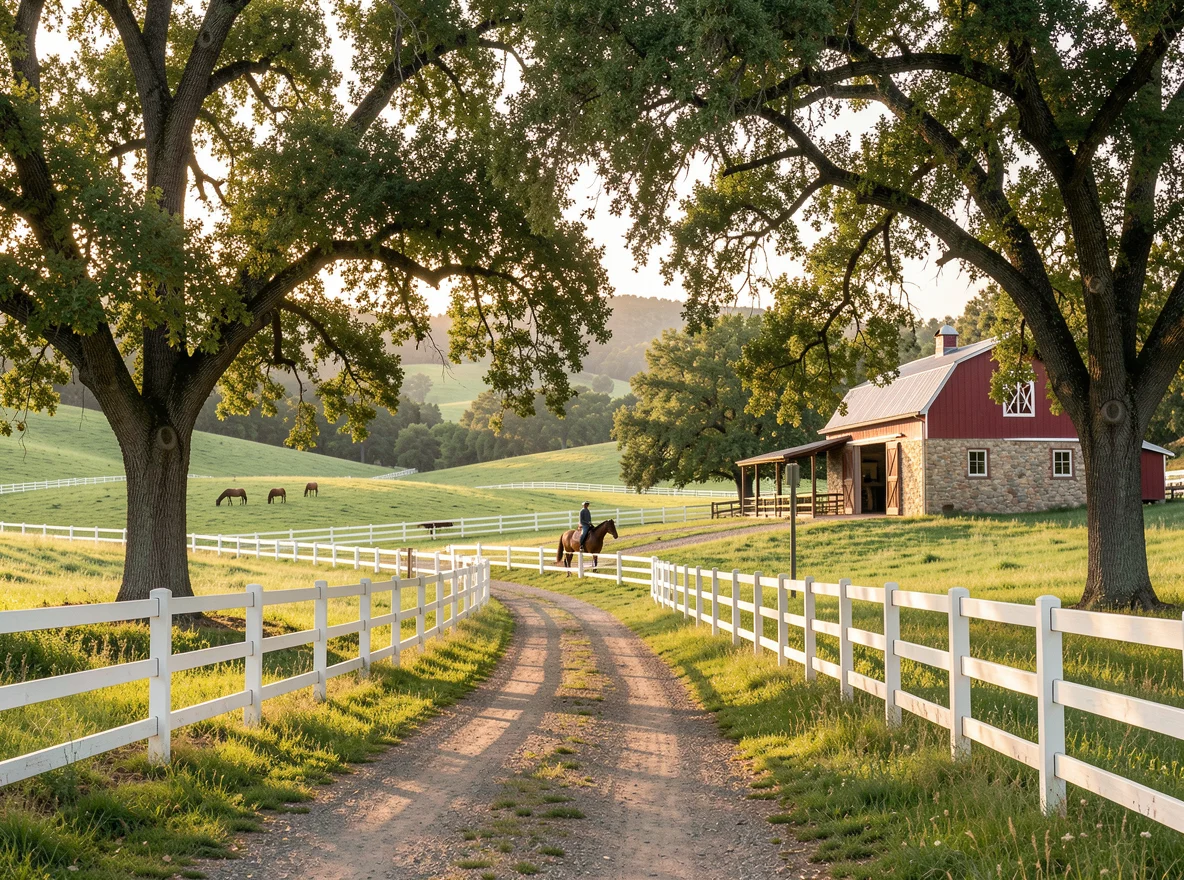
Location within the county shapes the ownership experience as much as the property itself. Some buyers prioritize proximity to training facilities, feed suppliers, veterinarians, farriers, and established riding networks. Others may focus on access to open riding areas, event venues, or routes that simplify hauling. Commute time to work or frequent destinations can also affect long-term satisfaction, especially when animal care happens before sunrise or after dark. A property that supports your routine on ordinary weekdays often proves more valuable than one that only shines on a weekend tour.
It is also smart to evaluate the home and equestrian improvements separately. In some listings, the residence may be move-in ready while the horse facilities need updating. In others, the barn setup is the standout feature and the house requires renovation. Taking a balanced view helps buyers avoid overpaying for improvements they will later replace. Repairs to fencing, roofing, drainage systems, arena bases, and irrigation can add up quickly, so a realistic budget should include both purchase price and post-closing work.
Market Strategy and Smart Due Diligence
Equestrian properties are a specialized segment of the market, which means comparable sales can be harder to interpret than standard residential listings. Two homes with similar square footage may have very different values if one includes a professionally designed barn, arena, trailer access, and dependable water infrastructure. Buyers should look beyond bedroom count and focus on the utility and condition of the land improvements. Reviewing recent sales with similar acreage, zoning, and horse facilities can provide a more accurate picture of value.
Inspections are especially important. In addition to the usual residential inspections, buyers may want experts to review wells, septic systems, outbuildings, grading, drainage, irrigation, and arena footing. Fence lines and property boundaries should be understood clearly, particularly on larger parcels. If there are easements, shared roads, or neighboring uses that affect access or privacy, those should be evaluated before closing. The goal is not to make the process complicated; it is to reduce surprises after the keys are in hand.
Insurance and ongoing expenses should be part of the conversation from the beginning. Premiums can vary based on structures, land use, fire exposure, and the type of improvements on site. Maintenance costs may include footing refresh, fence repairs, water use, weed control, lighting, and equipment upkeep. Buyers who plan for those recurring expenses typically feel more confident during the purchase process and more comfortable once ownership begins.
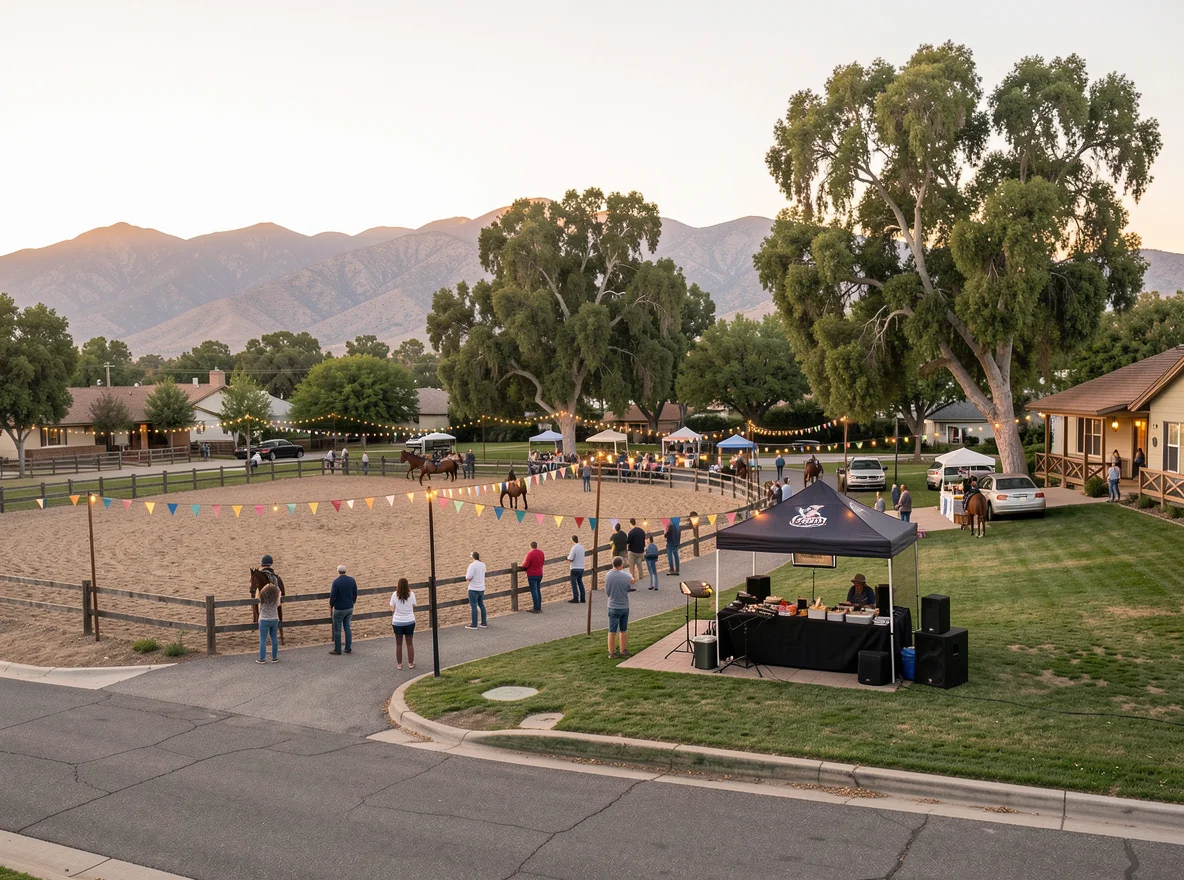
For buyers entering this niche for the first time, local guidance can make the search far more efficient. A knowledgeable real estate team can help identify which improvements add lasting value, which red flags deserve immediate attention, and how a specific Riverside County location aligns with your goals. That kind of perspective is useful whether you are looking for a private horse setup, a larger ranch property, or an investment with equestrian potential.
Ultimately, the best equestrian property is the one that works well in real life. It should support horse care, fit your budget, and offer a layout that makes daily use practical rather than complicated. With careful due diligence and a clear understanding of land, utilities, access, and market value, buyers can move forward with confidence and choose a Riverside County property that feels both functional and rewarding for years to come.